/
CASE STUDIES
/
Microsoft
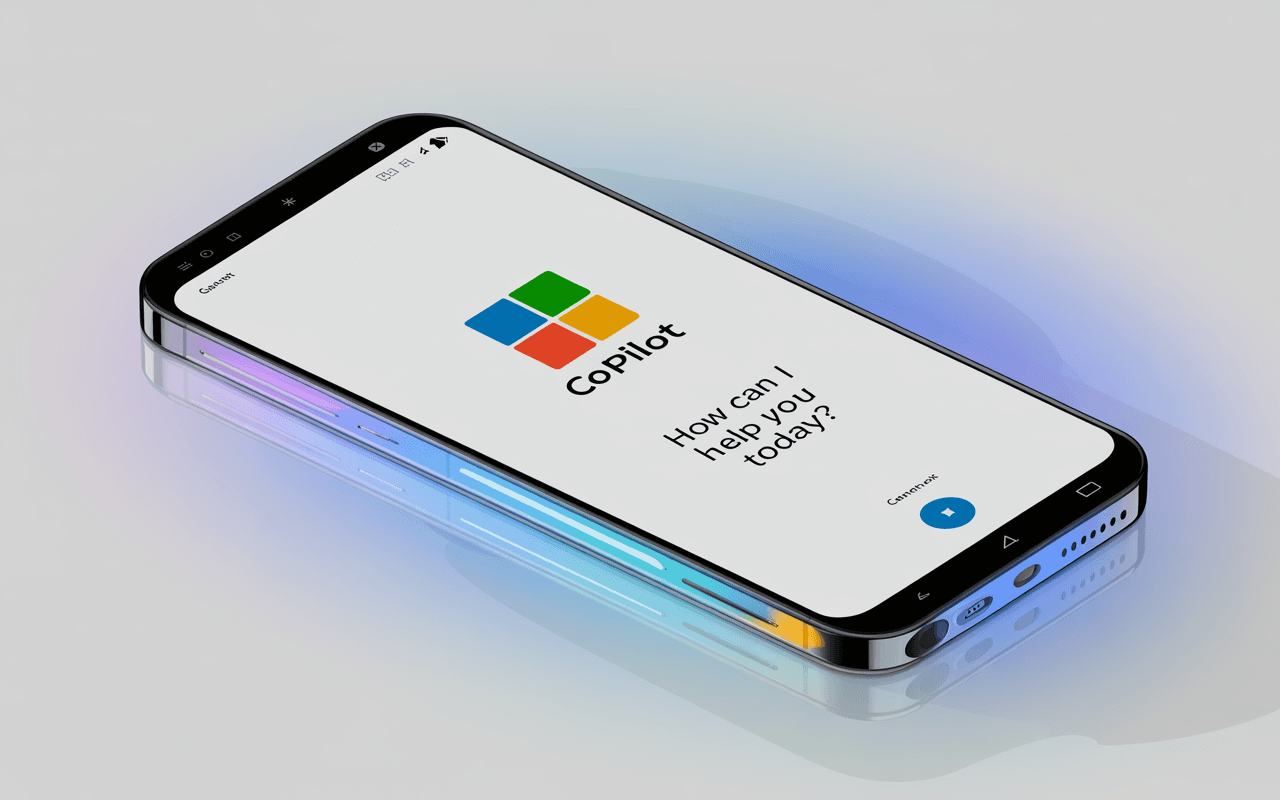
Future vision for Microsoft’s AI-native mobile devices

/
CLIENT
Microsoft
Visit site
/
TIMELINE
4 months
/
SERVICES
GenAI
Strategy
CX
Prototyping
Futures
Product Roadmap
Research
Service Design
/
OVERVIEW
How might Microsoft take its AI advantage to mobile phones?
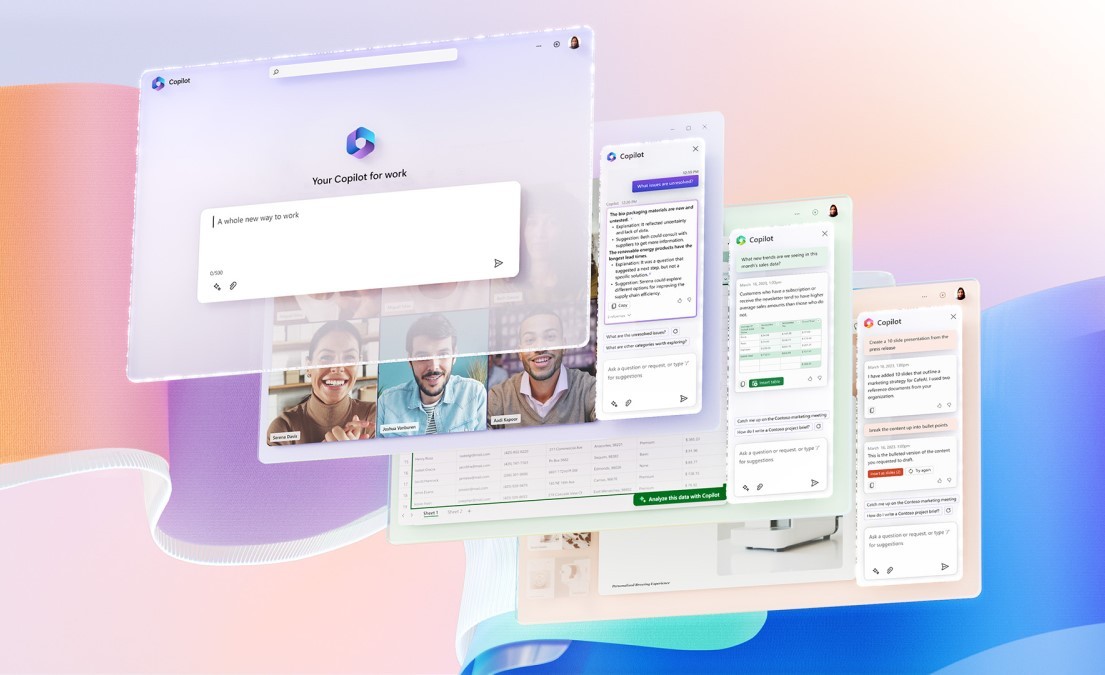
Microsoft’s partnership with OpenAI made it an early leader in bringing generative AI to its personal and professional software. It saw a future where Copilot is part of everything people do, with the phone as the most important touchpoint. PH1 helped Microsoft define where and how AI should shape a new mobile experience, built around AI from the start.
/
CHALLENGES
Winning back a market Microsoft had already left
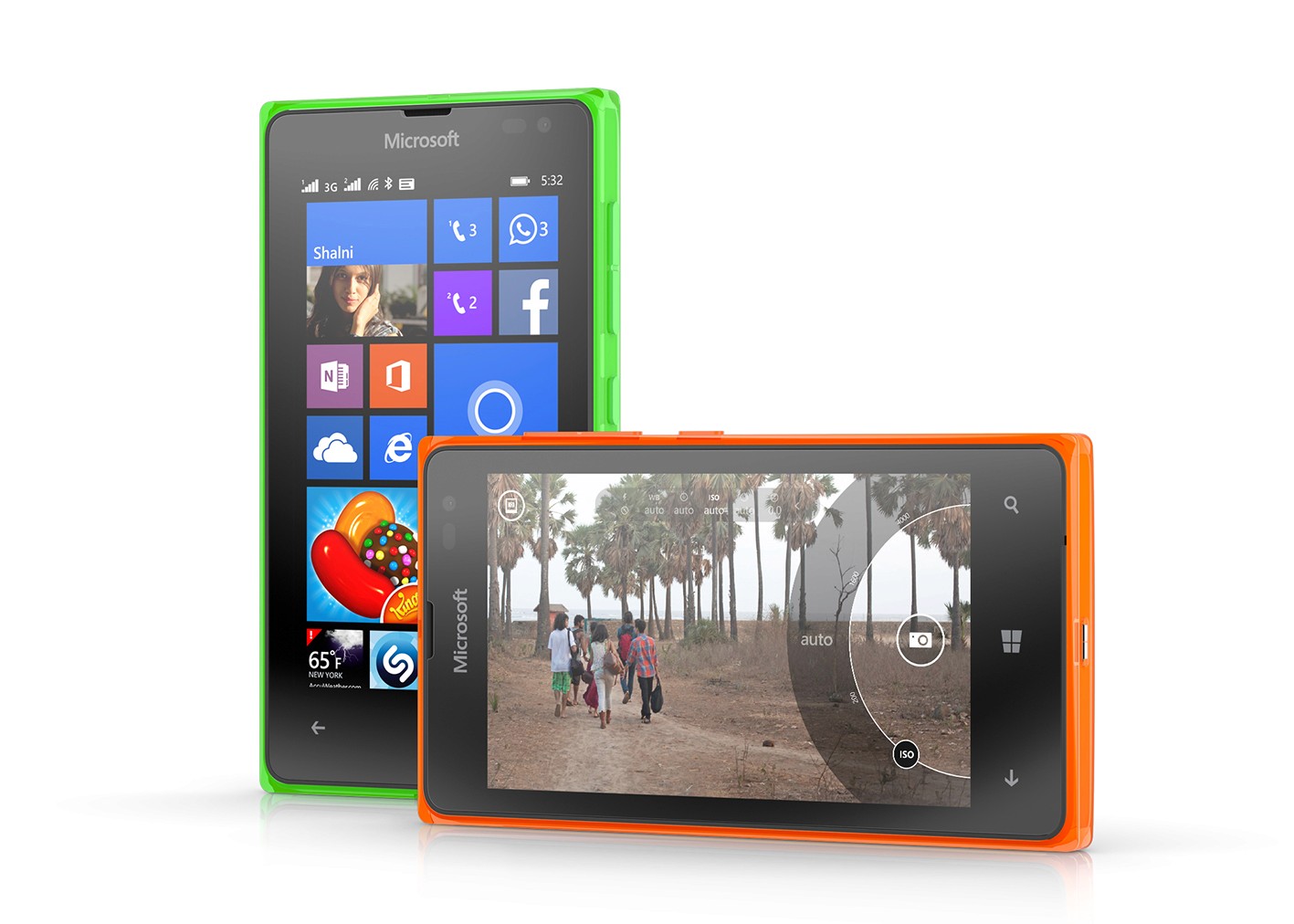
Android and iOS have dominated mobile for more than a decade, and Microsoft had previously exited the market. Coming back would take value drivers strong enough to change how people use their phones.
PH1 investigated the habits of Android and Apple users: how they want to simplify and personalize the way they reach their Microsoft accounts and products, and how they see AI on a device they carry everywhere, at work and at home.
Which type of user would be most likely to integrate an AI-native phone into every part of their life so that they would gain the most value from it?
/
SOLUTIONS
The value of AI is a paradox: the more access people grant it, the more useful it becomes
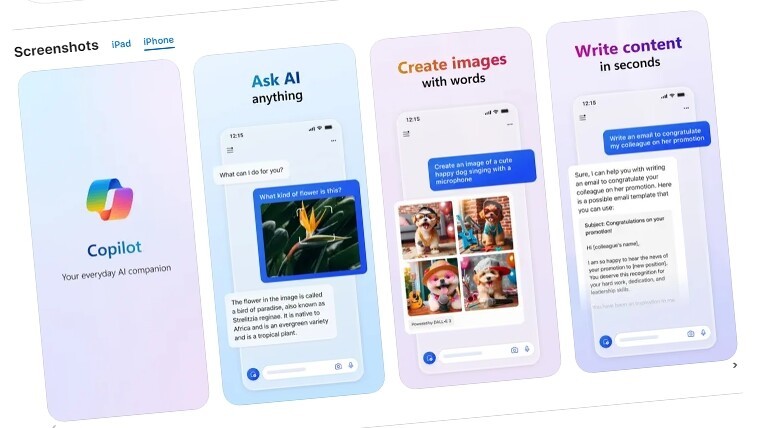
Working with the Microsoft team, PH1 defined 12 concepts for AI-native features and tested them with target users, refining them across several rounds.
The strategic vision gave Microsoft:
Foundational insights into how people perceive AI on their phones, what holds them back and what they value
Competitive insights into how people use their phones, and where the incumbents are open to challenge
Adoption archetypes showing which users would adopt and pay for which features
Twelve AI-native feature concepts, ranked
Roadmaps aligned to Microsoft’s plans and priorities
/
RESULTS
Safety and control decide whether people adopt AI
People wanted AI that makes them more productive, on their terms. Features they start and direct, such as summarizing content or getting help inside an app, tested well. Features that act on their own, such as predicting what someone wants or listening all the time, met resistance unless people could switch them off and confirm what they do.
The evidence showed the experimental concept was ahead of market demand. Microsoft took the learnings into foundational work on other areas of its AI initiatives.
Safety concerns undermine use of AI features
Key finding
It has been such a pleasure working with PH1 on this project. During such a busy time for our team, it has been so incredibly helpful to partner with you on this. You brought so much value to the team and we enjoyed being on this adventure with you.

Proximity Lab
Digital strategy firm for Adobe, Carvana, Unilever, Microsoft and Oracle
/
CASE STUDIES